A Verification Path for Every Customer
Bring digital identities, document verification, and supplementary data checks into a configurable journey that adapts to your markets and requirements.

Identity Verification That Adapts to Your Customers
Trulioo Adaptive Identity Verification seamlessly adjusts to identity requirements across customers, markets, and use cases. Guide users to the best verification method, offer a fallback when checks fail, and identify missing due diligence data. Configure routes with little or no code, then test and roll them out as your needs change.

01
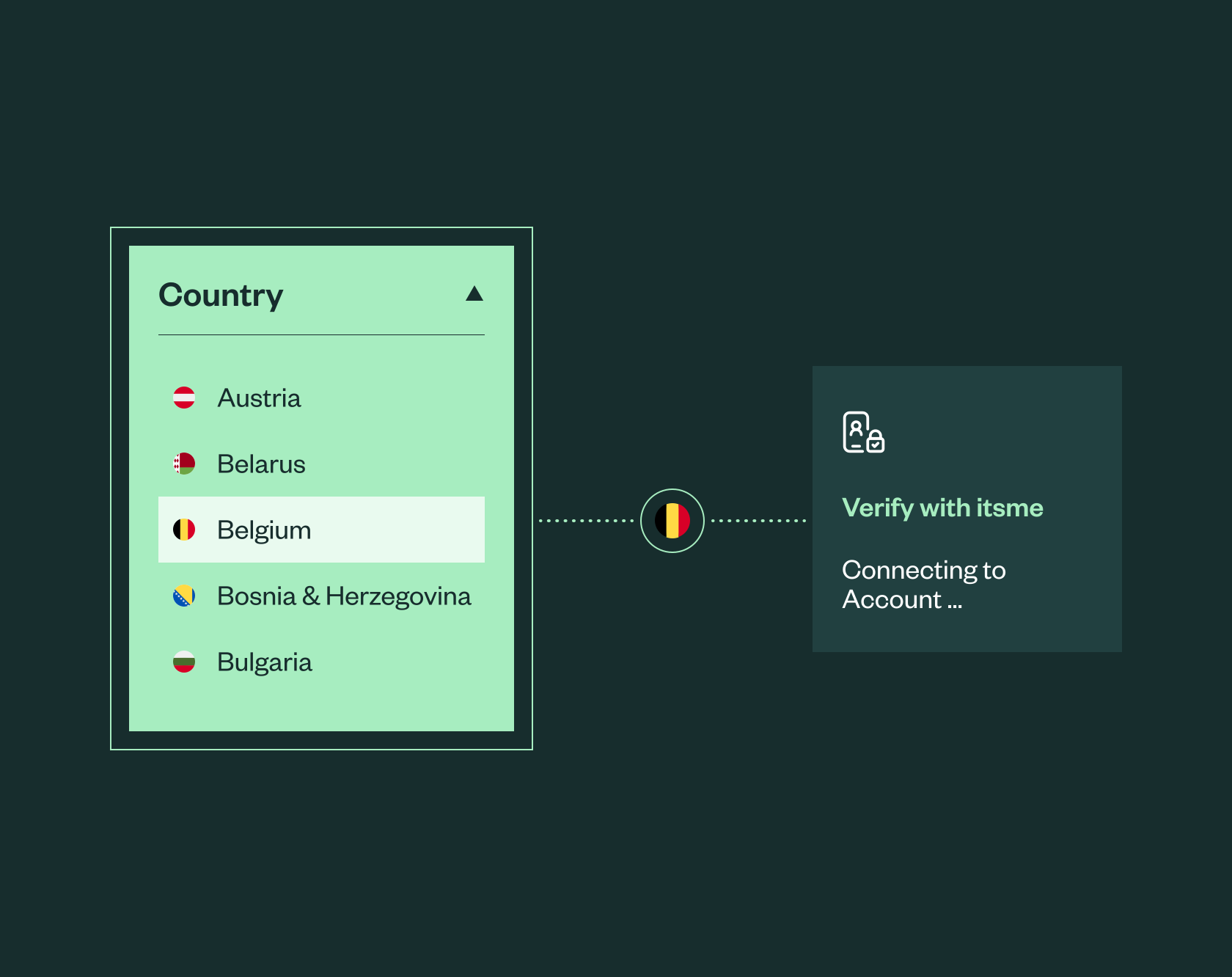
Choose the Right Identity Verification Method
Use market and device context to guide customers toward an available eID or document verification path that fits your requirements, regional regulations like eIDAS and AMLR, and their available methods.
02
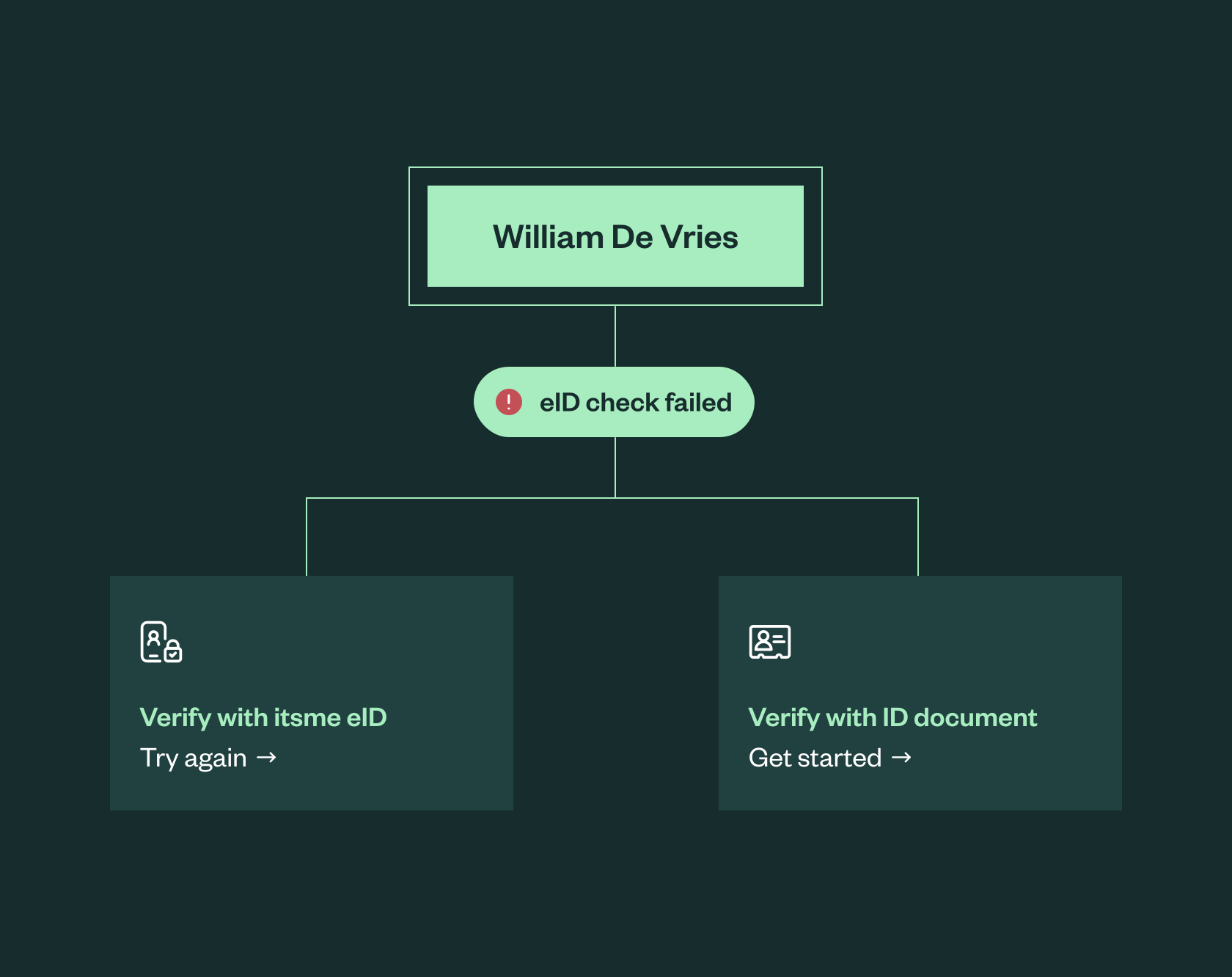
Switch Verification Methods Without Starting Over
If an eID check is unsuccessful, the journey is designed to support another attempt or a move to document verification, without requiring the customer to start again.
03
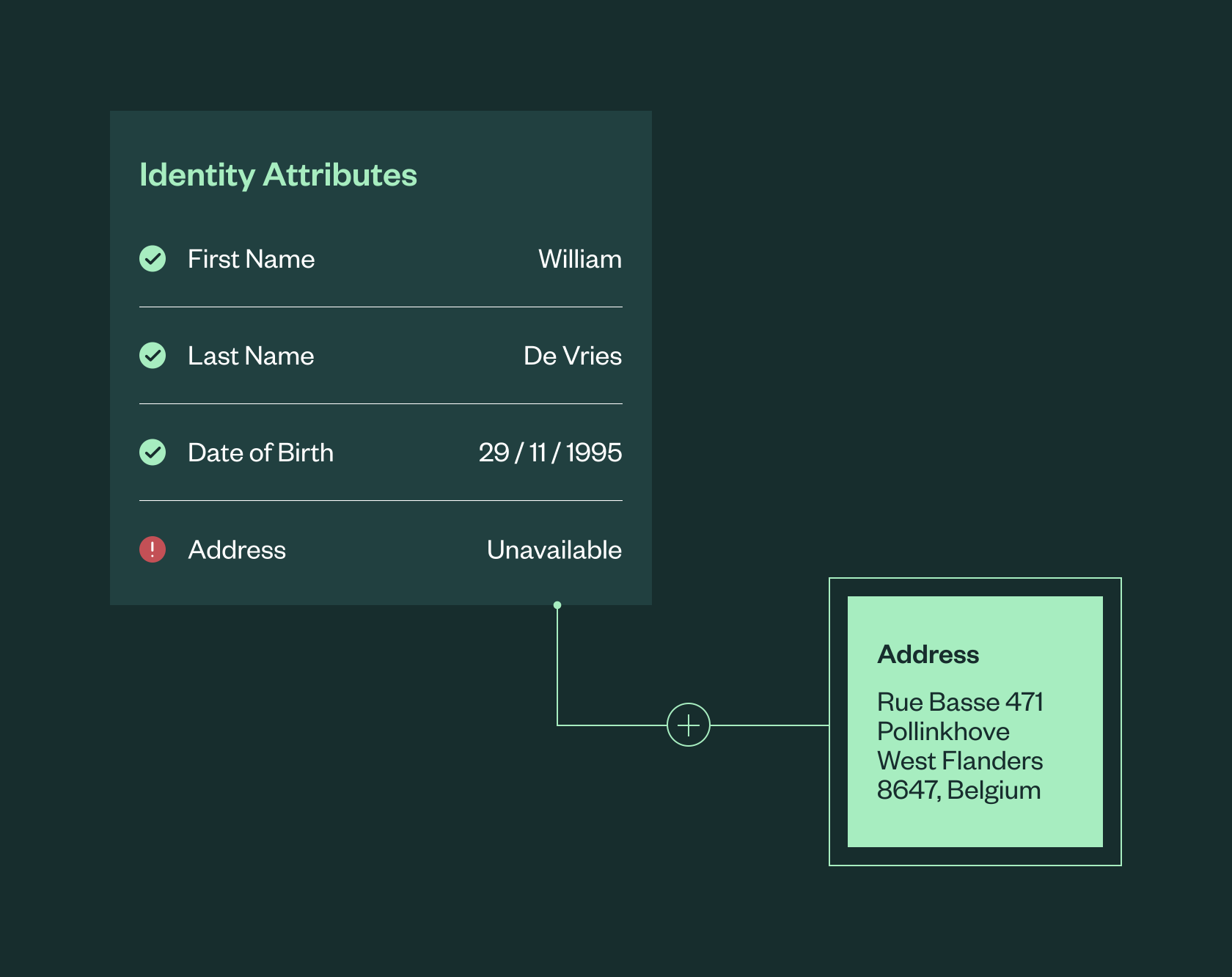
Close the Attribution Gap with Confidence
Check which identity attributes were returned. Supplementary KYC data checks can help fill in the missing user information.
Make Digital Identity Part of Your Onboarding

Keep Verification Moving When a Check Fails
Support Due Diligence With More Complete Information
Configure Verification for Different Markets
Why Choose Trulioo for Adaptive Identity Verification
More Ways to Verify
Combine supported eIDs with document verification so customers have a path forward when one method is unavailable or unsuitable.
Flexibility Without a Rebuild
Configure and test verification routes with little or no code, then adjust your approach for different customers, markets, and requirements.
More Context for Review
Your results are designed to show the method used, its outcome, and supplementary checks, helping teams review how each customer was verified.
Verify the People Behind a Business
Frequently Asked Questions
Learn more about adaptive identity verification.
Adaptive Identity Verification is a compliant-by-design solution from Trulioo that brings eIDs, document verification, and supplementary data checks into one configurable journey regardless of region. It adjusts how a customer is verified based on their market, the methods available to them, and your requirements. Instead of one fixed check, you configure a journey that can offer an eID, move to document verification, and add data checks when information is missing.
eID verification lets a customer confirm their identity with an established electronic identity, such as itsme, MitID, SPID, or BankID, while document verification checks an image of a physical identity document the customer submits (plus optional selfie/biometrics). Adaptive Identity Verification from Trulioo can offer both, so customers have another route when one isn’t available or suitable. For more on digital IDs, see Electronic Identification.
An eID assurance level describes how much confidence an identity scheme gives that a person is who they claim to be. Under eIDAS, the levels are low, substantial, and high. Trulioo maps assurance levels for supported eID schemes, and your team decides which level fits each use case.
Trulioo supports 26 eID schemes across 30 markets, including itsme, MitID, SPID, and BankID. Availability varies by scheme and country, so we’ll confirm coverage for the markets you serve.
Trulioo uses market and device context to guide our customers toward an available eID or document verification path. You choose which methods are in your flow and set the rules for when each one applies.
If an eID check fails, Trulioo Adaptive Identity Verification lets the customer try again or, where appropriate, continue with document verification in the same session. They don’t have to start over.
The attribute gap in identity verification is the difference between the identity attributes your organization needs and the attributes a verification method returns. Many digital IDs are designed to share limited data, which supports privacy. A check can succeed and still leave out something your policies or regulations require, such as place of birth or nationality.
Supplementary KYC data checks can help fill in attributes an identity method didn’t return, where available. Your team can see which checks are run and decide whether it needs more information or controls.
Yes, in many cases. Trulioo Workflow Studio lets you configure and test verification routes and fallbacks with little or no code, and phase in traffic as you expand or change your approach. API and mobile-link options connect verification to your onboarding experience.
Trulioo Adaptive Identity Verification gives your team a reviewable record for each customer, but your organization decides its own compliance obligations in each market. Results show the method used, its outcome, and any supplementary checks, so your team can review how each customer was verified and decide whether it needs additional information or controls.
Build a Verification Journey That Fits Your Business
Talk with Trulioo about the identity methods, customer information, and verification records your organization needs. Explore a configurable approach that supports onboarding across markets and helps your team apply its due diligence policies as requirements change.
Talk to sales